5 Mistakes That Turn a Rental Unit Turn Into a Money Pit (And How to Avoid Them)
Tenant turnover is the single largest expense in property management. Every day a unit sits vacant or requires repeat rework is unrecoverable income that directly bleeds your NOI.
Forget the "handyman special" mindset. When operating multifamily properties or managing a growing rental portfolio in Ohio, treating turnover as a quick weekend patching job is a direct path to a financial sinkhole. Asset value is built on consistent systems, rigorous execution, and uncompromising material selection: not short-term cost cutting.
If your turns are stretching past two weeks, or if you find yourself replacing the same fixtures every twelve months, your turnover process is working against your bottom line. Here are the five critical mistakes that turn a rental unit into a money pit, and how our integrated apartment turn services eliminate these vulnerabilities entirely.
1. Installing Flimsy Materials to "Save Money" Upfront
The temptation is always the same: buy the cheapest flooring, the thinnest paint, and low-grade particleboard cabinetry to keep upfront capital expenditure low.
It is a mathematical error disguised as frugality.
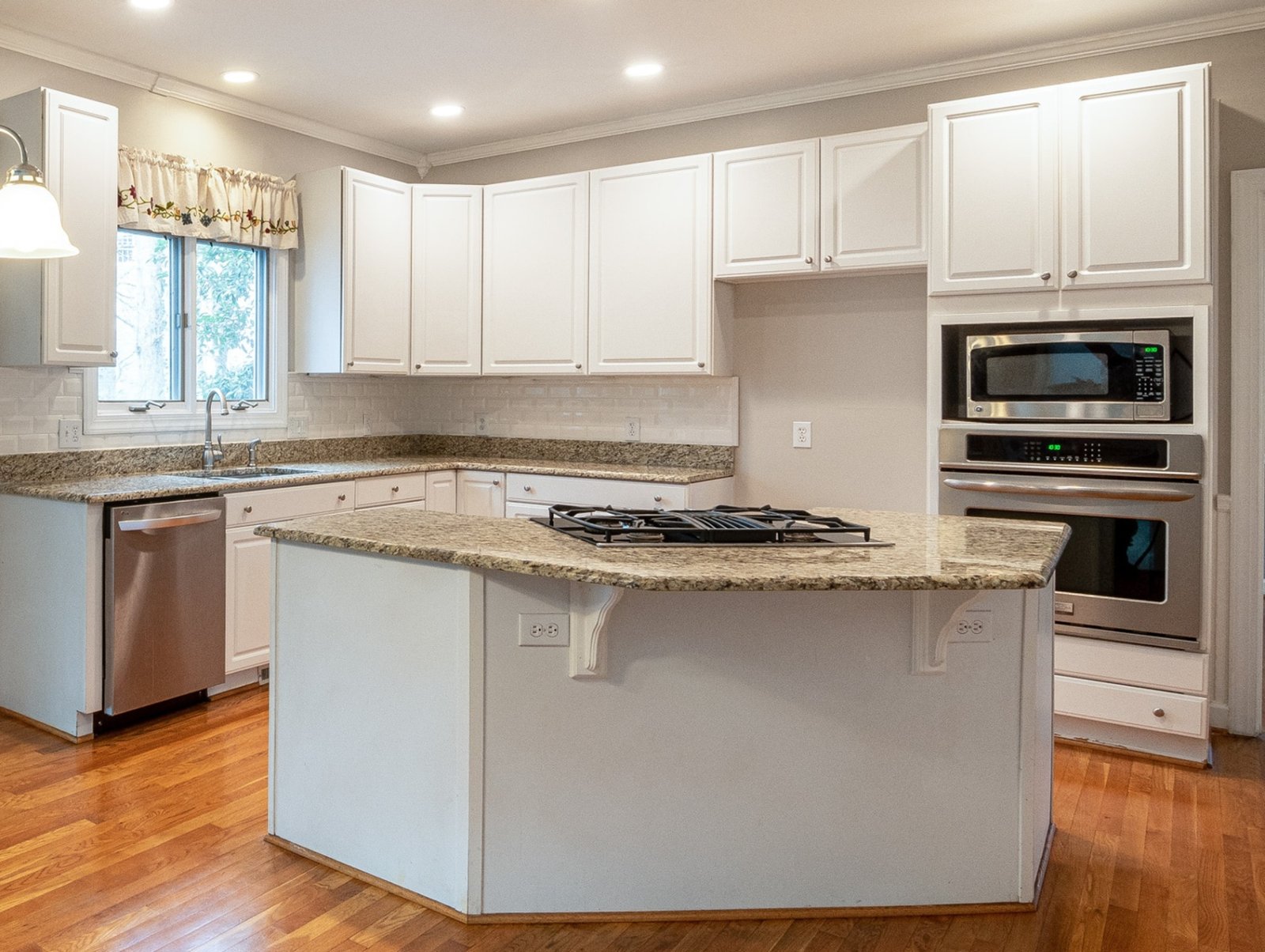
Low-grade materials fail within a single tenancy. When a cabinet door delaminates or low-end laminate flooring buckles under minor moisture, you aren't saving capital: you're accelerating your next replacement cycle. This is especially critical in high-wear zones like the kitchen. Choosing the best kitchen cabinets for rental property: such as rigid plywood boxes with durable Shaker-style fronts and moisture-resistant finishes: ensures your millwork withstands tenant churn for a decade, not a year.
"Cheap materials are a high-interest loan you take out against your future rental income. You pay pennies today in savings and thousands tomorrow in emergency replacements."
2. Waiting Until Move-Out Day to Schedule the Turn
Vacancy is a bleeding wound. If your scheduling workflow begins only after the tenant hands back the keys, you are losing 14 to 21 days of occupancy before a single tool is lifted.
Independent landlords often juggle independent vendors: calling a painter on Monday, waiting for a cleaner on Thursday, and realizing flooring isn't available until next month. This lack of a unified timeline turns a standard 5-day turn into a 30-day vacancy.
The True Cost of Delay
- Average Daily Rent: $1,500 / month = $50 / day
- A 15-Day Unnecessary Delay: $750 in direct lost revenue per turnover
- Compounded Across 10 Units: $7,500 incinerated annually simply due to poor coordination
To protect your yield, you must treat turnover like a strict production schedule. Pre-book your cleaning crews, painters, flooring specialists, and maintenance teams the moment notice is received.

3. Treating Turnover as Cosmetic Rather Than Structural
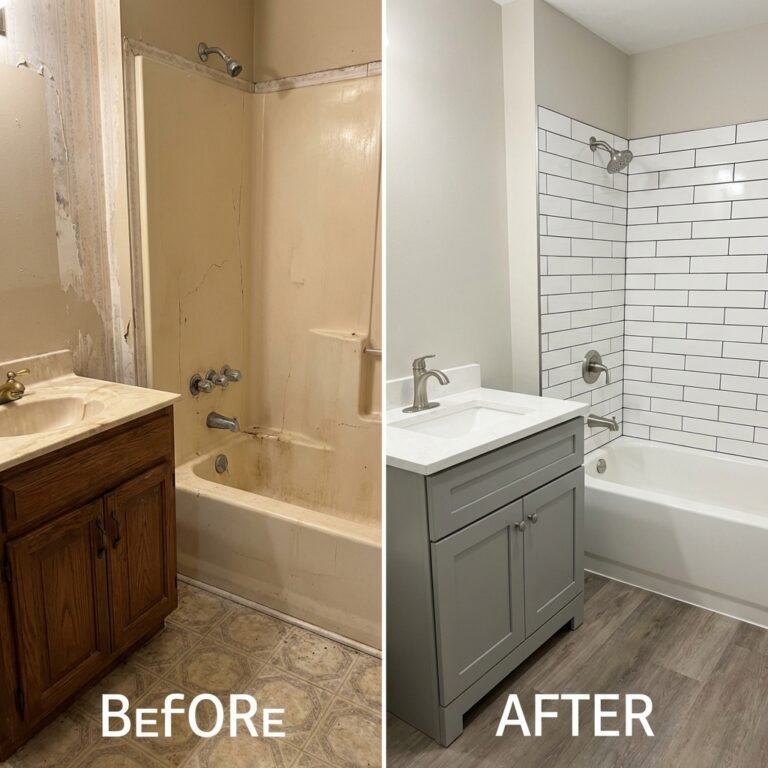
Slapping a fresh coat of paint over cracked drywall, worn subfloors, or weeping plumbing fixtures is the hallmark of amateur property management.
Cosmetic paint hides underlying rot, mold, or mechanical failure for about thirty days: right until your new tenant moves in and files a maintenance emergency. A true apartment turn requires a rigorous diagnostic sweep of mechanical systems, electrical switches, plumbing valves, and water sealing. Ignoring minor subfloor water damage or worn appliance hoses leads directly to catastrophic insurance claims down the road.
When you execute a turn, inspect and service:
- HVAC filters and duct lines
- Plumbing traps, supply lines, and shut-off valves
- Window seals and weatherstripping
- Electrical outlet covers and GFCI functionality
4. Failing to Document Conditions with Precision
Disputes over security deposits and premature wear-and-tear drain thousands of dollars in legal fees and administrative overhead. If your move-in and move-out condition reports rely on vague checkmarks or missing photo evidence, you have zero leverage when a tenant damages your asset.
You can't manage what you don't measure.
Professional operators implement systematic digital documentation protocols. Every room requires high-resolution photo and video logs before move-in and immediately after move-out. Comparing these records side-by-side removes ambiguity, protects you from erroneous tenant claims, and enforces accountability.

5. Operating Without an Integrated, Single-Source Partner
The most insidious money pit in property management is fragmentation. When you act as the general contractor for your own portfolio: coordinating five different subcontractors across painting, flooring, deep cleaning, and appliance repair: your time is misallocated, and accountability falls through the cracks.
When a painter blames the drywaller and the cleaner blames the flooring installer, you are left holding the financial bag.
Eliminating these margin-killing inefficiencies requires a true end-to-end partner. At Absolute Integrated Solutions, we provide comprehensive apartment turn services across Ohio, integrating every trade under a single roof. From commercial painting and hard surface flooring installation to water damage restoration and complete construction cleaning, we manage the entire lifecycle of your turnover.
Protect Your NOI With End-to-End Turn-Key Execution
Every day your unit sits vacant or cycles through subpar repairs is lost revenue that can never be recovered. By upgrading your material specifications, locking in rigorous schedules, and consolidating your maintenance under a single expert team, you transform your properties from unpredictable money pits into high-performing, appreciating assets.
Stop letting fragmented vendors and reactive repairs erode your yield. Contact Absolute Integrated Solutions today to schedule a comprehensive portfolio maintenance review and discover how our turn-key services protect your bottom line.