The Leak You Can’t See: How Small Plumbing Leaks Turn Into Mold, Wall Damage, and Full Bathroom Remodels
A small leak rarely stays small.
Water moves quietly through cabinet bases, drywall, insulation, flooring, and framing. By the time you notice a musty smell or a soft spot beside the tub, the original plumbing problem may have already become a water-damage restoration project.
For Central Ohio homeowners, this is more than a repair bill. Hidden moisture can affect your family’s comfort, indoor air quality, daily routine, and peace of mind.
The good news is simple: early action can protect your home from unnecessary demolition and a much larger remodel.
The Leak May Be Hidden, but the Damage Is Real
Slow leaks do not always produce a puddle.
A loose connection under a sink may drip once every few minutes. A dishwasher supply line may seep behind the appliance. A failing shower valve, cracked grout joint, or deteriorating seal may send water into the wall every time someone bathes.
That small amount of water adds up.
Over days and weeks, moisture can:
- Soak the back of drywall
- Swell cabinets and trim
- Warp flooring and subfloors
- Saturate insulation
- Weaken wood framing
- Create conditions where mold can grow
- Leave persistent odors behind
The visible stain is often only the edge of the problem. Water may have traveled sideways or downward before appearing on the finished surface.
A leak becomes expensive when the moisture stays hidden longer than the building materials can tolerate.
Three Places Small Leaks Commonly Start
1. Under Sinks
Sink cabinets hide several potential leak points, including supply lines, shutoff valves, drain connections, and the faucet base.
A slow drip may first appear as a small dark mark on the cabinet floor. Over time, particleboard and other cabinet materials absorb the moisture and begin to swell. Stored cleaning products may develop a musty odor, while the cabinet back becomes soft or discolored.
Check under every kitchen and bathroom sink monthly. Look for:
- Damp cabinet floors
- Swollen or separating panels
- White mineral deposits around fittings
- Musty odors
- Discoloration on the wall behind the plumbing
- Items that feel damp when removed from the cabinet

2. Behind Dishwashers
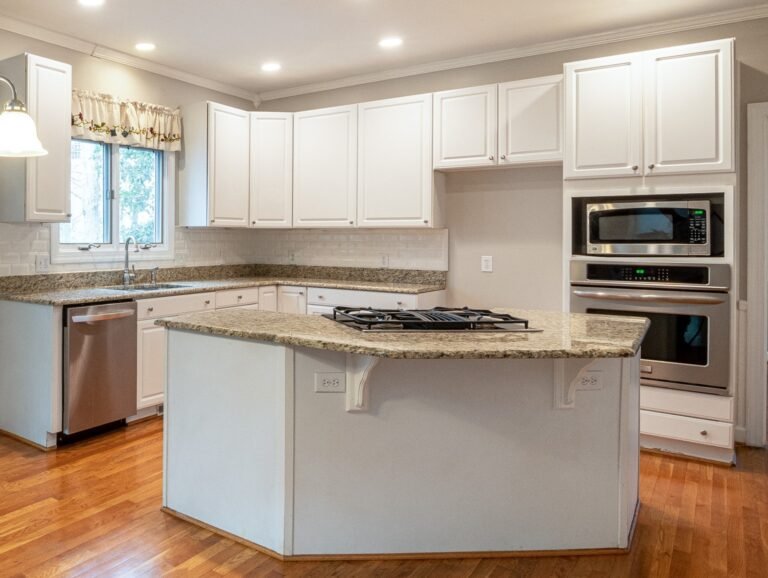
Dishwashers are particularly difficult because the supply line and drain connections are usually hidden from view.
A slow leak can wet the flooring beneath the appliance without leaving water in front of it. By the time the flooring begins to cup, buckle, or discolor, the subfloor may already be affected.
Pay attention to:
- Swollen flooring near the dishwasher
- A musty smell in the kitchen
- Water appearing after a cycle
- Soft flooring at the edge of the appliance
- Cabinets that begin separating at the base
- Unexplained increases in water use
Do not pull a dishwasher out by force. Water connections, electrical components, and flooring can all be damaged during an improper inspection. If you suspect a leak behind the appliance, shut off the water supply if you can do so safely and schedule an assessment.
3. Inside or Around Showers
Bathroom leaks are especially destructive because they repeat every time the shower is used.
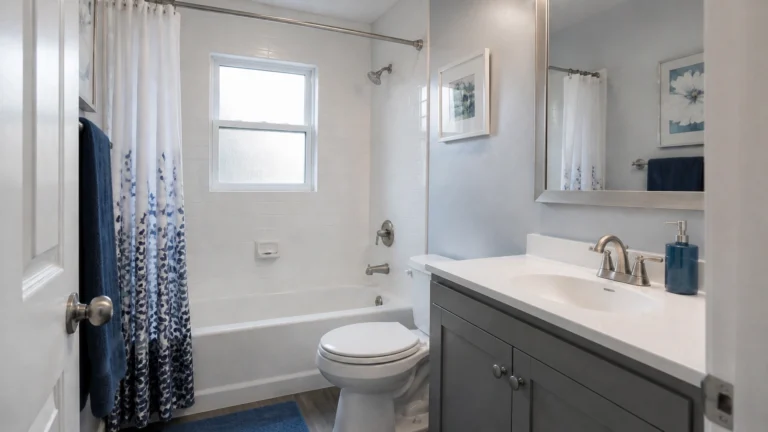
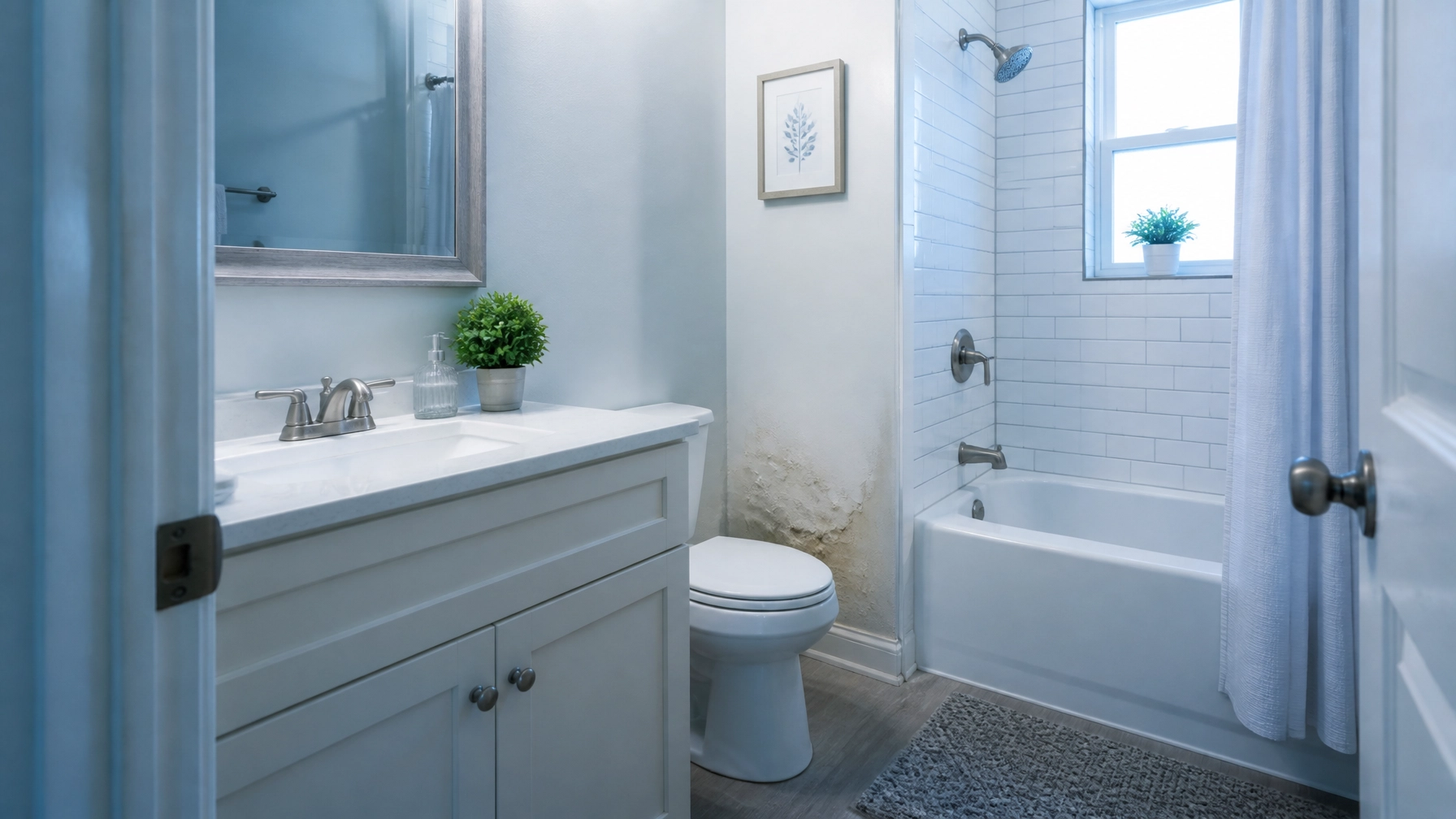
Failed caulk, cracked grout, loose trim, a damaged shower pan, or a leaking valve can allow water behind the finished surround. A shower may look clean and functional while moisture is accumulating inside the wall cavity.
Warning signs include:
- Bubbling or peeling paint beside the tub
- Soft drywall near the shower
- Staining on an adjacent wall or ceiling below
- Loose or cracked tile
- A persistent musty odor
- Damp flooring outside the tub
- A spongy feeling underfoot
- Mold or mildew appearing away from the direct spray area
A shower leak is not always fixed with new caulk. Caulk can improve a surface seal, but it cannot repair saturated drywall, damaged framing, or a failed waterproofing assembly behind the wall.
The Warning Signs Your Home Is Giving You
Your home often provides clues before the damage becomes obvious.
Do not ignore these changes:
Musty Odors
A musty smell that returns after cleaning usually has a source. It may indicate damp drywall, cabinet material, insulation, subflooring, or another porous material that has not fully dried.
Soft Drywall
Press gently near a suspicious area. Drywall should feel firm. Softness, swelling, crumbling, or a spongy surface suggests that moisture has affected the material.
Bubbling Paint
Bubbling or blistering paint indicates that moisture may be trapped beneath the finish. Painting over it does not remove the moisture. It only hides the warning temporarily.
Swollen Cabinets
Cabinet doors that no longer close properly or panels that appear warped may have absorbed water. Once the material has expanded or delaminated, drying may not restore its original shape.
Staining
Yellow, brown, gray, or repeatedly repaired stains on walls and ceilings point to previous or ongoing water intrusion. A stain that grows deserves immediate attention.
Damp Flooring
Cupped wood, buckled laminate, lifting vinyl, darkened grout, or soft spots around fixtures can indicate water beneath the finished floor.
These symptoms do not identify the exact source by themselves. They do establish a reason to investigate.
When Drying and Targeted Repair May Be Enough
Not every leak requires a full remodel.
If the source is found quickly and the surrounding materials remain structurally sound, the solution may involve:
- Stopping the leak
- Removing standing water
- Drying the affected area
- Verifying moisture levels
- Replacing a small section of damaged drywall or trim
- Treating affected surfaces appropriately
- Repainting and refinishing
For example, a minor supply-line drip discovered early may require plumbing repair, cabinet-base replacement, and localized drying. A small area of drywall may be removed and rebuilt without disturbing the entire bathroom.
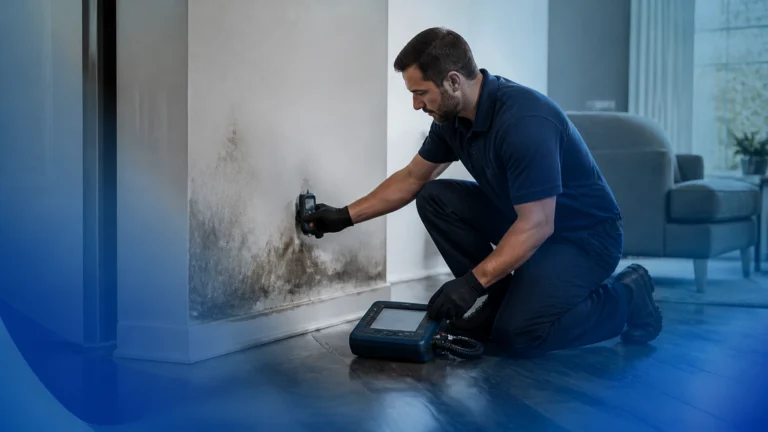
The critical step is measurement. An area can feel dry while moisture remains behind the wall or beneath the flooring. Professional moisture meters and thermal imaging can help identify affected areas that are not visible.
If mold is suspected, avoid disturbing large areas yourself. Scrubbing, sanding, or cutting into contaminated materials can spread particles through the home. The appropriate response depends on the extent of the affected area, the type of water involved, and the materials exposed.
When a Quick Repair Becomes a Remodel
A larger restoration or bathroom remodel becomes necessary when moisture has compromised the systems behind the finishes.
That may include:
- Drywall that has absorbed water and lost its integrity
- Framing with prolonged dampness or deterioration
- Insulation that cannot be dried effectively
- Subflooring that has warped or weakened
- Cabinets that are swollen or delaminated
- Flooring installed over a damaged subfloor
- A failed shower pan or waterproofing system
- Tile assemblies that must be removed to access the leak
- Persistent mold or odor after surface cleaning

This is where many homeowners experience an unwelcome surprise. They expected a $300 plumbing repair, but the leak has affected several layers of the home.
The final scope may include demolition, structural drying, material removal, mold remediation, plumbing work, drywall installation, flooring, tile, cabinetry, painting, and final cleaning.
That does not mean every leak turns into a full bathroom renovation. It means delayed action removes options. The longer water remains in hidden materials, the more likely targeted repair becomes removal and rebuilding.
Why Waterproofing Matters During Rebuilding
If a shower assembly must be opened, rebuilding it correctly matters more than making it look finished quickly.
A durable bathroom restoration should address the cause of the damage: not just the visible surface. That may require evaluating the shower valve, plumbing connections, backer materials, joints, corners, penetrations, pan, and surrounding floor assembly.
Tile is not the waterproofing. Grout is not a substitute for a properly constructed waterproof system.
Whether the project involves a focused repair or complete bathroom remodeling in Columbus, Ohio, the finished space should be designed to handle daily moisture without repeating the original failure.
A beautiful bathroom that leaks behind the wall is not a completed project. It is a future restoration bill.

The AIS Process Protects Your Home From Repeat Problems
Absolute Integrated Solutions provides an end-to-end approach so you do not have to coordinate separate contractors for every stage.
Our process can include:
- Identifying the likely source of the leak
- Coordinating plumbing repairs
- Assessing visible and hidden moisture
- Removing damaged materials
- Drying affected areas
- Addressing water damage appropriately
- Coordinating mold remediation in Columbus, Ohio
- Repairing drywall, framing, cabinets, and flooring
- Rebuilding shower and bathroom assemblies
- Completing tile, painting, and finish work
- Providing final construction cleaning
Our water damage repair services are designed to move your home from uncertainty to a clear repair plan. With more than 25 years of experience, a locally managed team, transparent pricing, and flexible financing options, we help you resolve the immediate problem while protecting the comfort and function of your home.
Do Not Wait for the Wall to Tell You
A musty odor, swollen cabinet, or soft patch of drywall is not a cosmetic inconvenience. It is information.
Check under sinks. Watch the flooring around appliances. Inspect the walls beside showers. Pay attention when a familiar room begins to smell different.
If you find active water, shut off the local fixture valve or main water supply when safe to do so. Move belongings away from the affected area, document what you see, and avoid covering the problem with paint or caulk before the source is identified.
For homeowners in Columbus, Dublin, Westerville, Hilliard, New Albany, Grove City, Powell, and surrounding Central Ohio communities, contact Absolute Integrated Solutions to request a professional assessment.
A quick response can mean a focused repair instead of a full remodel. More importantly, it can help restore a dry, healthy, comfortable home for the people who depend on it every day.