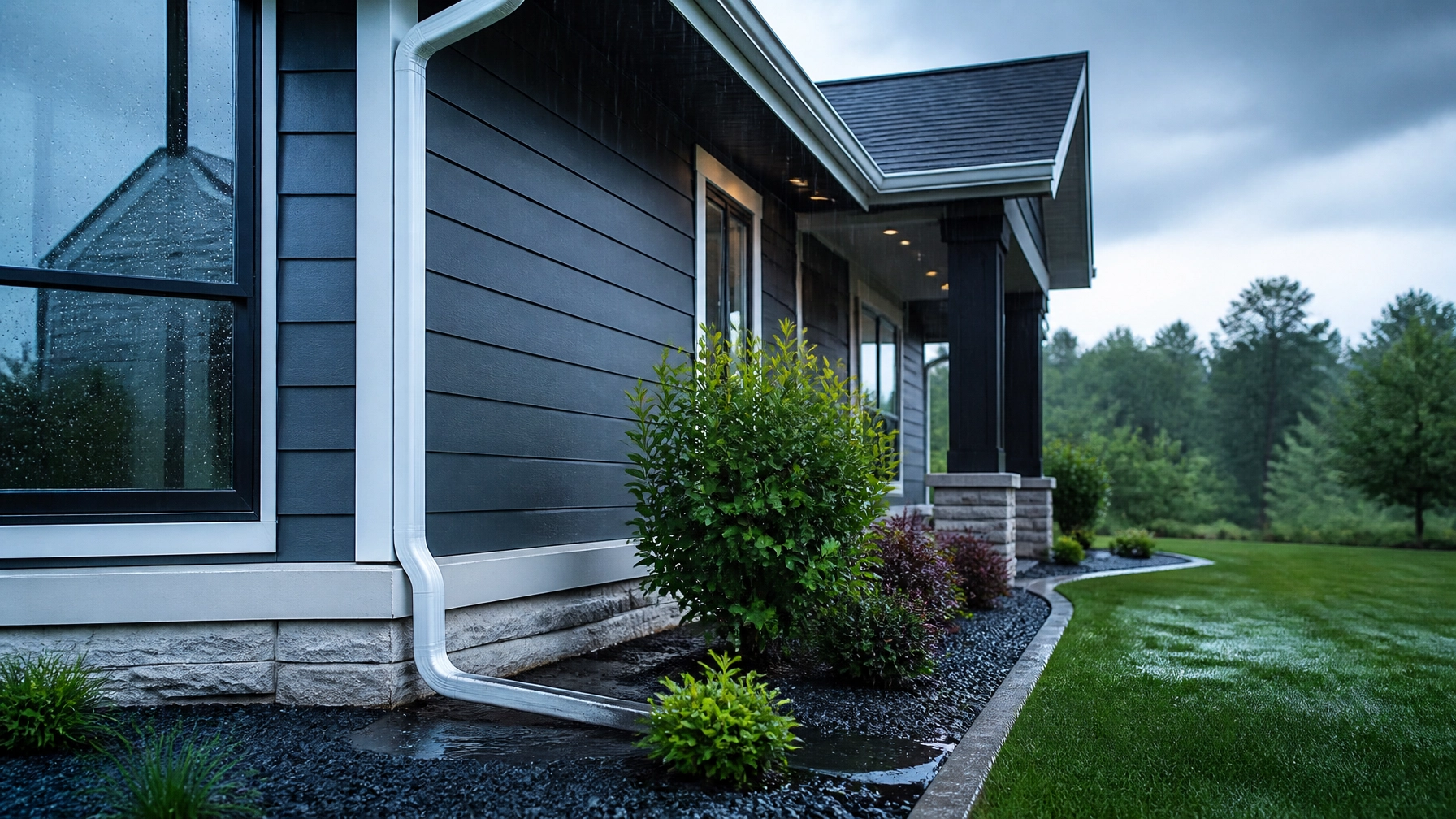
How Ground Water Leads to Water Damage : and Why Gutters & Grading Are Your First Line of Defense
Ground water is the single most persistent threat to your property's structural integrity. If you have a basement in Ohio, you are at risk. While a roof leak is visible and immediate, ground water operates through stealth, saturating the soil around your foundation and exerting relentless physical pressure on your basement walls. By the time you notice a damp corner, a musty odor, or water creeping into a finished family room, the damage is already compounding.
For homeowners, that often means ruined flooring, soaked drywall, damaged furniture, and a basement that goes from livable space to demolition zone in a single storm. For landlords and property managers, it means repair bills, vacancy loss, and preventable disruption. For anyone planning to sell, foundation cracks and chronic moisture issues can drag down resale value fast.
Every significant rain event drops thousands of gallons of water onto your roof. If that volume isn't precisely managed, it transforms from a weather event into a liability. At Absolute Integrated Solutions, we don't view gutters and grading as "landscaping" or "handyman tasks." We view them as the core components of an asset protection strategy.
In the high-stakes environment of Central Ohio real estate: where heavy clay soils and freeze-thaw cycles are the norm: ignoring drainage is a form of active financial bleeding.
The Physics of Failure: Hydrostatic Pressure
You cannot negotiate with the laws of physics. When the soil surrounding your foundation becomes oversaturated, it creates what engineers call hydrostatic pressure. This isn't just "wet dirt": it is thousands of pounds of force pushing against your basement or crawlspace walls.
- The Crack Cycle: Pressure forces water into microscopic fissures in your concrete or block foundation.
- The Freeze-Thaw Punch: In Ohio, that water freezes and expands, widening the cracks.
- The Breach: Eventually, the structural integrity fails, leading to bowing walls and catastrophic interior flooding.
Forget the "handyman special" patch jobs. If you aren't managing the water before it hits the soil, you are merely waiting for a foundation failure that can cost upwards of $30,000 to remediate. For homeowners, that is not just a structural issue—it is a direct hit to resale value, insurability, and the safety of the space your family uses every day.

Hydrostatic pressure: The invisible force that turns a heavy rain into a structural emergency.
The 1,000-Gallon Roof: Gutters as the Primary Shield
Consider the math: A 2,000-square-foot roof sheds roughly 1,250 gallons of water during a single inch of rain. Without a high-functioning gutter system, that entire volume is dumped directly at the base of your foundation.
Effective water damage prevention gutter drainage starts with three non-negotiables:
- Capacity and Cleanliness: If your gutters are clogged with debris, they aren't gutters: they are decorative troughs that facilitate foundation rot. We recommend quarterly inspections for portfolios under heavy tree cover to ensure 100% flow capacity.
- Seamless Integrity: Every seam is a potential point of failure. We prioritize seamless aluminum systems that eliminate the "drip-and-seep" issues common with DIY sectional gutters.
- The 10-Foot Rule: Downspouts that terminate at the corner of the house are useless. We implement downspout extensions or underground bubbler systems to move water at least 10 feet away from the foundation.
Every day a gutter remains clogged is a day you are gambling with the value of your property. One failed gutter can lead to a $30,000 insurance claim for a finished basement—turning a family room, playroom, or storage area into a tear-out and drying project almost overnight.
The 5% Slope Rule: Why Grading is Non-Negotiable
If your gutters are the shield, your lot grading is the terrain. Most property owners ignore the "settling" that happens over decades. Soil naturally compacts, often creating a "bowl" effect where the ground slopes toward the house rather than away from it.
We look for a minimum slope of 5%: this means the ground should drop approximately 6 inches in the first 10 feet away from the foundation.
- Positive Grading: Drives water toward the street or storm sewers.
- Negative Grading: Funnels ground water into your basement like a funnel.
- Mechanical Erosion: Standing water doesn't just sit; it eats away at your landscaping and the very soil supporting your footings.
For homeowners, landlords, and property managers alike, grading is one of the most overlooked drainage controls. It is also one of the most cost-effective. Adding a few yards of clean fill dirt and compacting it properly is a fraction of the cost of a water damage repair project. The grading angle matters because water follows the easiest path every time—and if the slope runs back toward your house, your basement pays the price.

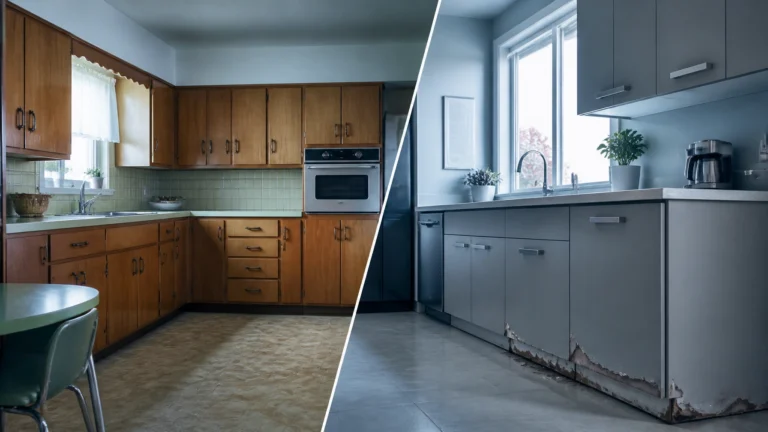
The consequence of failed drainage: A utility room submerged, requiring immediate, expensive mitigation.
Beyond the Surface: French Drains and Sump Pumps
In areas with high water tables or low-lying topography, gutters and grading may not be enough. This is where we move from passive to active defense.
French Drains (The Diverter)
A French drain is a trench filled with gravel and a perforated pipe that redirects surface and ground water away from an area. We install these in "problem zones" where water tends to pool. It acts as a low-resistance path, tricking the water into following our route instead of its own.
Sump Pumps (The Last Line)

If you have a basement in Ohio, your sump pump is the heart of your property. If it stops beating, the basement floods. We don't just "check" sump pumps; we evaluate the entire system:
- Mechanical Integrity: Is the float switch sticking?
- Battery Backups: Because the worst storms often take the power out with them.
- Discharge Lines: Ensuring the pump isn't just recycling the same water back into the foundation.
For a homeowner, a failed sump pump can mean water across a finished basement, damaged belongings, and mold exposure where kids and family members spend time. For rental owners and property managers, it becomes a repair event, a disruption event, and sometimes a vacancy event. We integrate these checks into our standard Rental Maintenance cycles to ensure zero downtime.
The Economics of Prevention: Math for the Rational Owner
Let’s look at the data clinicaly. The average insurance claim for water damage and freezing in the US is approximately $12,514. This doesn't include the "soft costs": temporary displacement, mold remediation, damaged finishes, lost use of living space, and the inevitable increase in insurance premiums. If moisture sits long enough for mold to take hold, you are no longer dealing with a simple cleanup—you are dealing with an air-quality and health-risk issue, especially for children and anyone with respiratory sensitivities.
Compare that to the costs of prevention:
| Service | Estimated Cost | Lifespan | Impact |
|---|---|---|---|
| Gutter Cleaning & Tune-up | $250 – $500 | Seasonal | High (Immediate) |
| Grading Correction | $1,500 – $3,500 | 10+ Years | Critical (Structural) |
| Downspout Extensions | $300 – $800 | 15+ Years | High (Foundation) |
| Restoration (Post-Flood) | $10,000 – $40,000 | N/A | Catastrophic (ROI) |
Investing $2,500 in a robust drainage strategy isn't an expense; it’s an insurance policy with a 400% immediate ROI the moment the first "hundred-year storm" hits your neighborhood. Every dollar spent on your handyman services for drainage is a dollar you don't have to spend on mold mitigation, basement rebuilds, or resale concessions later.
Conclusion: Asset Protection is a Choice
Water damage is not an "act of God": in 90% of cases, it is an act of deferred maintenance. When you allow gutters to overflow and soil to settle, you are making a choice to risk your capital.
At Absolute Integrated Solutions, we manage the entire lifecycle of property health. We don't just react to the flood; we engineer the environment so the flood never happens. From precision grading and seamless gutter installation to full-scale water damage restoration, we provide the one-stop solution homeowners, landlords, and property managers need when they want the issue handled end to end.
Stop managing symptoms. Start protecting your property.
Request a Comprehensive Drainage Audit
Contact Absolute Integrated Solutions today to schedule a review of your exterior drainage defenses. We identify the risks before they become your most expensive mistake.